
Employers dropping GLP-1 coverage is no longer a rare headline, it is becoming the norm. Deloitte is the latest big name: an internal benefits guide first reported by Business Insider on November 12, 2026 shows the firm will stop covering GLP-1 medications for weight loss in its US medical plans starting January 2027. Starbucks, Cigna, PepsiCo, HCA Healthcare and the Massachusetts state employee plan made similar moves earlier this year. If your plan just told you that Wegovy or Zepbound will no longer be covered, you are far from alone, and you have more affordable options than the $1,000-plus list price suggests. This guide covers who is cutting coverage, why employers are doing it, what self-pay actually costs today, how to use an HSA or FSA, and why compounded semaglutide and tirzepatide have become the lowest-cost route for many patients.
Employers Dropping GLP-1 Coverage: Who Is Cutting Benefits
Most of these changes remove coverage only when the medication is prescribed for weight loss. Coverage for type 2 diabetes usually stays in place. Here is what has been reported so far among companies dropping GLP-1 coverage for weight management.
| Employer or plan | What changed | When |
|---|---|---|
| Deloitte | Ends GLP-1 coverage for weight loss in its US medical plans. Offers a virtual lifestyle program with coaching and a $125 per-prescription employer contribution instead, alongside higher deductibles and out-of-pocket maximums on most plans. | January 2027 |
| Starbucks | Stopped covering GLP-1s prescribed for weight loss for benefits-eligible employees. Diabetes coverage continues. | October 2026 |
| Cigna (as an employer) | The insurer stopped covering GLP-1s for weight loss in its own employee health plan. | July 1, 2026 |
| PepsiCo | Cut GLP-1 coverage for weight loss while keeping it for diabetes. | 2026 |
| HCA Healthcare | Told employees it would no longer cover Wegovy and Zepbound for weight loss after GLP-1 weight-loss drug use in its plan rose about 90 percent in a single year. | 2026 plan year |
| Massachusetts Group Insurance Commission | Board voted 10 to 7 to end coverage for weight loss. About 22,000 members were using the drugs at a cost of roughly $46 million a year. | Voted February 2026 |
| Medi-Cal (California Medicaid) | Ended coverage of GLP-1s for weight loss. | January 1, 2026 |
| MassHealth (Massachusetts Medicaid) | Ended coverage for weight loss. | Mid 2026 |
| Blue Cross Blue Shield of Massachusetts, Blue Cross Blue Shield of Michigan, Harvard Pilgrim | Dropped weight-loss GLP-1 coverage on many group plans. | 2026 |
| North Carolina State Health Plan | One of the first large public plans to end weight-loss GLP-1 coverage. | 2024 |
Survey data shows these are not isolated cases. Business Group on Health found that the share of large employers covering GLP-1s for weight management fell from 72 percent in 2025 to 60 percent in 2026, and 14 percent have already dropped coverage or plan to by 2027. WTW's 2026 survey found 53 percent of employers with 100 or more workers cover the drugs for weight loss, down from 57 percent the year before, the first decline in three years. Another 16 percent are considering joining the wave of employers dropping GLP-1 coverage, up from 9 percent. Reporting from CNBC and SHRM on this trend confirms the pattern is national, not limited to a few industries.
Takeaway: check your plan documents now rather than waiting for a denied claim. If your employer has not announced a change yet, it may still happen before your next renewal.
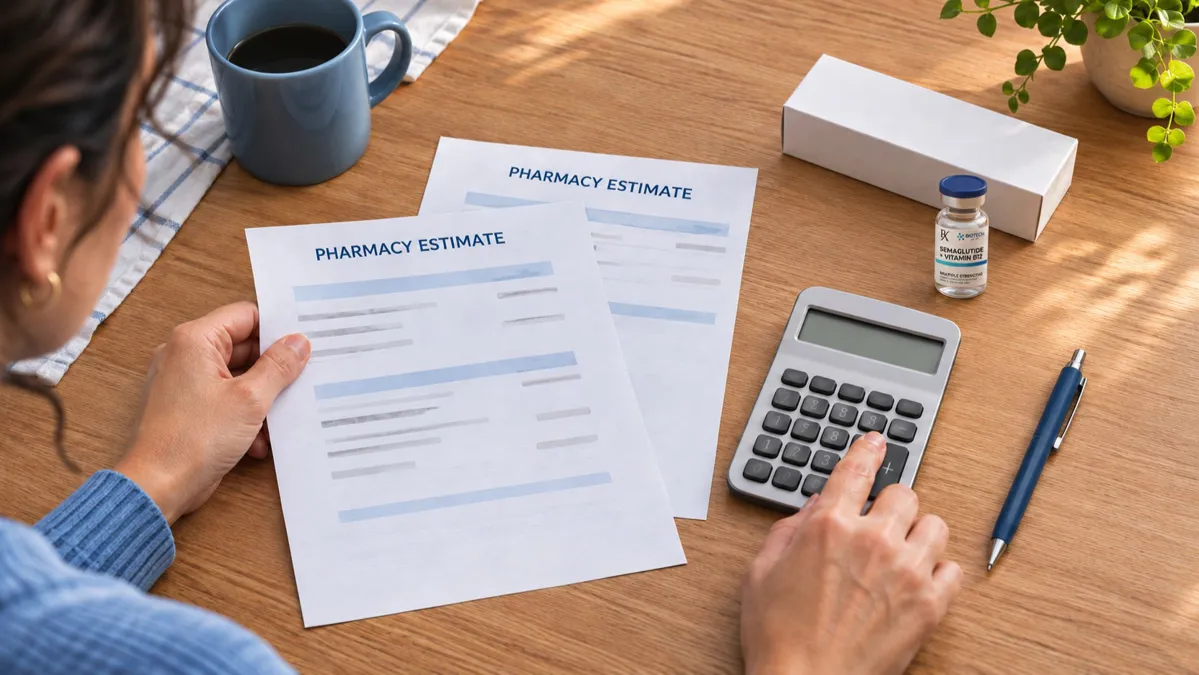
Why Companies Are Cutting Weight Loss Drug Coverage
The short answer is cost, but the details explain why the cuts are landing now rather than two years ago.
- The list price is high and the employer pays most of it. Branded GLP-1s carry list prices of roughly $1,000 to $1,500 a month, and employers that cover them typically pay 70 to 100 percent of that. One employee on treatment for a year can cost a plan $12,000 or more.
- Use has exploded. Survey data reported by CNBC puts the share of US adults taking a GLP-1 for weight loss at about 11 percent in 2026, up from about 3 percent in 2024. HCA saw use in its plan climb about 90 percent in one year.
- Pharmacy is eating the health budget. Pharmacy now makes up about 25 percent of large employers' total health spending, and drug costs are projected to rise about 12 percent this year before plan changes. Marsh expects employer health costs to rise an average of 8.2 percent for 2027, with GLP-1s alone accounting for about one percentage point of that increase.
- The savings show up later, and often somewhere else. Weight loss may help reduce future costs tied to diabetes, heart disease and joint problems, but those savings take years to appear. Employers pay the bill today, while an employee who changes jobs takes the long-term benefit to the next employer or to Medicare.
- Treatment is long term. GLP-1s work for as long as they are taken, and many people regain weight after stopping. To a benefits team, that looks like an open-ended monthly cost with no end date.
- Budgets are tight across the board. The same benefits guides that cut GLP-1s often raise deductibles, trim parental leave or reduce other perks. Weight-loss drugs are one of the largest single line items, so they are an easy target for employers dropping GLP-1 coverage 2027 as part of broader cost control.
Many employers are not leaving workers with nothing. About half now use or plan to add a weight management vendor, and a growing share point employees to direct-to-consumer cash pricing. That shift is the clearest signal that self-pay is becoming the normal way people get these medications.
What GLP-1 Treatment Costs Without Insurance Now
Prices have dropped sharply since 2024, but there is still a wide gap between branded cash prices and compounded options. These are approximate monthly self-pay prices for each option.
| Option | Monthly self-pay price | What to know |
|---|---|---|
| Compounded semaglutide price with B12 (Biotech Lifestyle) | $103 to $128 by dose, $79 first month, or $240 for 90 days (about $80 a month) | Includes the provider visit, ongoing provider messaging, injection supplies and overnight shipping. |
| Compounded tirzepatide price with B12 (Biotech Lifestyle) | $128 to $184 by dose, $99 first month, or $330 for 90 days (about $110 a month) | Same all-in inclusions. The 90-day price is the same at every dose. |
| Wegovy pill, self-pay | From $149 at the lowest dose | Price rises at higher doses. Prescriber visit not included. |
| Oral GLP-1 pill, self-pay | $149 for the two lowest doses | Higher doses cost more. Prescriber visit not included. |
| Wegovy injection, self-pay | From $199 at the lowest dose | Higher maintenance doses cost more. Prescriber visit not included. |
| Zepbound, self-pay | $299 at the lowest dose up to $449 at the highest | Prescriber visit not included. |
The comparison that matters most is at the dose you will actually stay on. Starter doses get the headline prices, but most people move up over the first few months. At a full maintenance dose, branded tirzepatide runs about $449 a month, or about $5,400 a year, before any visit fees. Compounded tirzepatide on a 90-day plan runs $330 per quarter, or about $1,320 a year, with the visit and shipping included. Compare current options on the weight loss medication page and see individual pricing on the semaglutide and tirzepatide product pages.
How to Use an HSA or FSA for GLP-1 Medication
Losing coverage does not mean losing your tax break. A prescribed medication used to treat a diagnosed condition such as obesity is generally a qualified medical expense, so you can usually pay for it with pre-tax money from a health savings account (HSA) or flexible spending account (FSA). Biotech Lifestyle accepts HSA and FSA cards for both the medication and the visit, which matters more than ever as employers dropping GLP-1 coverage shift the bill to employees.
2026 and 2027 contribution limits
| Account | 2026 limit | 2027 limit |
|---|---|---|
| HSA, self-only coverage | $4,400 | $4,500 |
| HSA, family coverage | $8,750 | $9,000 |
| Health care FSA | $3,400 | Check your plan for the 2027 figure |
People 55 and older can add an extra $1,000 a year to an HSA.
What pre-tax dollars save you
When HSA or FSA money comes out of your paycheck, it skips federal income tax and, in most cases, Social Security and Medicare tax as well. For someone in the 22 percent federal bracket, that is roughly 30 cents saved on every dollar. On a $1,320 year of compounded tirzepatide, that works out to about $400 back in your pocket, so the treatment costs closer to $925 in take-home pay. Your exact savings depend on your bracket and your state.
Open enrollment moves to make now
- Elect an FSA amount that covers a full year of treatment. A year of compounded semaglutide or tirzepatide fits comfortably under the FSA limit. Remember that most FSA money must be used within the plan year, so do not overshoot.
- Look at the high-deductible plan with an HSA. If your employer has dropped GLP-1 coverage anyway, the richer plan may no longer earn its higher premium. HSA money rolls over every year and stays with you if you change jobs.
- Check whether your marketplace plan qualifies. Starting in 2026, bronze and catastrophic plans bought through the ACA marketplace can be paired with an HSA.
- Keep your receipts and your prescription record. Your HSA or FSA administrator may ask for proof that the medication was prescribed to treat a medical condition. Some may ask for a letter of medical necessity from your provider.
- Ask HR about stipends. Some employers that dropped coverage, Deloitte among them, are offering a per-prescription contribution or a lifestyle program instead. Find out if yours does, and whether it can be used with the provider of your choice.

Other Ways to Lower What You Pay
- Choose a 90-day plan. Paying by the quarter usually brings the monthly cost down well below month-to-month pricing.
- Ask about other covered uses. Most plans that dropped weight-loss coverage still cover GLP-1s for type 2 diabetes, and some cover approved uses beyond weight loss. If you have one of those conditions, ask your doctor whether coverage still applies.
- Stay on the dose that works for you. Many patients do not need the top dose to keep seeing results, and lower doses cost less on dose-based pricing. A licensed provider can help you find the dose that fits your goals during your consultation.
- Do not stop abruptly without a plan. Weight often returns after GLP-1 treatment ends. If you are losing coverage, talk with a provider before your last covered refill so there is no gap. The injection instructions guide can help if you are new to self-administering treatment.
Why Compounded GLP-1s Are the Most Affordable Way to Stay on Treatment
For people who now pay out of pocket because of employers dropping GLP-1 coverage, compounded semaglutide and tirzepatide have become the practical choice for several reasons.
- Lower price at every dose. Compounded tirzepatide at the highest dose costs $184 a month at Biotech Lifestyle, or about $110 a month on a 90-day plan, compared with about $449 for branded tirzepatide at its highest dose. Over a year the gap can run to thousands of dollars.
- One all-in price. The medication, the provider visit, follow-up messaging, injection supplies and overnight cold-pack shipping are included. Branded cash prices usually cover the medication only.
- Dosing built around you. Compounded medications are prepared for an individual patient from a provider's prescription, so your provider can adjust your dose in smaller steps or keep you on a lower dose if that is what works for you.
- Formulated with vitamin B12. Our compounded semaglutide and tirzepatide are prepared with B12, which many patients report helps with energy during treatment.
- Predictable pricing that does not depend on your employer. Your treatment no longer hinges on whether your benefits team renews coverage next year, and HSA and FSA cards work the same way regardless of your employer's decisions.
Compounded medications are prepared by licensed pharmacies for individual patients and are not FDA-approved. That means the FDA does not review compounded versions for safety, effectiveness or quality the way it reviews Wegovy or Zepbound. They should come only from a licensed pharmacy filling a valid prescription after a real evaluation by a licensed provider. At Biotech Lifestyle, every prescription follows an online consultation with a licensed provider who reviews your health history, and a licensed compounding pharmacy prepares and ships your medication. Browse all weight loss treatments or learn more about how the process works on the how it works page.
What to Do Next If Your Coverage Is Ending
- Note your current medication and dose, and when your last covered refill runs out.
- Complete an online health profile. It is free to start and no referral is needed.
- Meet with a licensed provider, who will review your history, your current medication and your goals, and decide whether compounded treatment is right for you and at what dose.
- Choose monthly or 90-day billing, and pay with your HSA, FSA or a regular card. Prices are listed up front and paid directly.
- Your medication ships overnight in temperature-controlled packaging, ideally timed to arrive before your current supply runs out.
If your employer has announced a 2027 change tied to the broader wave of employers dropping GLP-1 coverage, now is the time to plan. Start a consultation and a licensed provider will help you decide on a plan that keeps you on track at a price you can manage. You can also review common questions on the frequently asked questions page.
Sources
- Business Insider: Deloitte benefits cuts to GLP-1 coverage
- CNBC: GLP-1 drug coverage and weight loss options
- SHRM: Growing number of employers dropping GLP-1 coverage
- STAT News: Weight loss drugs, health plans and coverage changes
- InsuranceNewsNet: Divided board drops GLP-1 coverage for public workers